
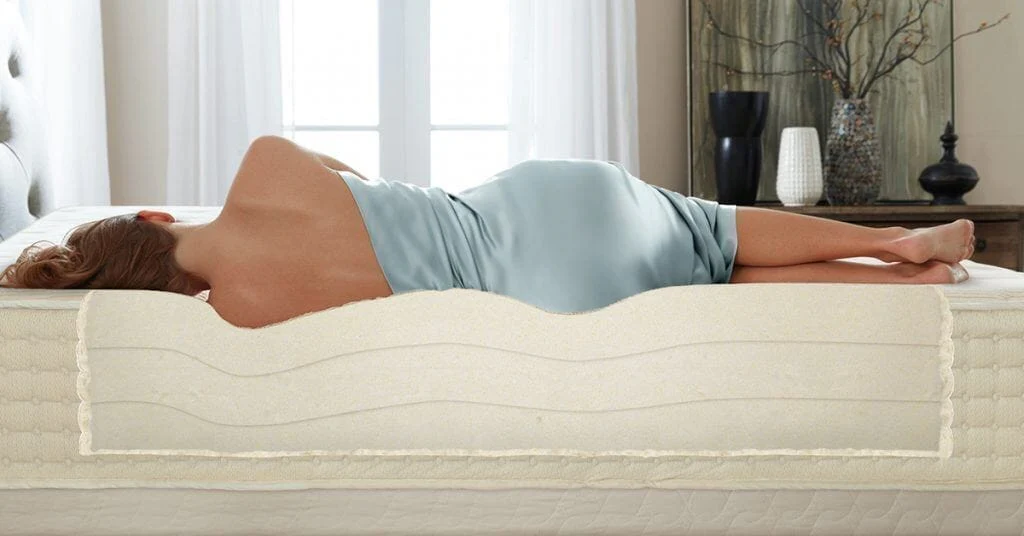
Most people around the world sleep on their side. Research says that about 54% to 80% of people mainly sleep this way. But there are still many side sleepers who wake up every day with pain in their shoulders or hips and feel pain in their back or neck. This can make it hard to get good sleep and feel good during the day. A good fix for this problem is not just about a comfortable feel-it’s about how well the mattress is made.
This guide shows you the science behind the best mattresses for side sleepers. It helps you learn how to choose a mattress with clear steps and real ways to check it. You will also find out which mattresses can give you real help for pressure and keep your back straight. When you finish this guide, you will know what to look for. You will be able to choose the right sleep setup that can help turn bad sleep into real rest.
The Prevalence and Challenges of Side Sleeping
Why Side Sleeping Is So Common
Side sleeping is the most popular way people sleep in many groups. This is because of what people like and how their bodies work. A study looked at 664 working adults. It showed they sleep on their sides for about 54.1% of the time. They sleep on their backs for 37.5% of the night, and spend only 7.3% sleeping facing down. Across different ages, most people pick side sleeping. As people get older and their body weight goes up, even more of them sleep on their sides.
Side sleeping has real health benefits. When you sleep on your left side, it can help with digestion. It can also lower acid reflux symptoms. Many people with GERD feel these symptoms at night. Sleeping on your left side can help with these problems more than sleeping on your back or your right side.
For women who are pregnant, sleeping on the left side helps blood flow to the baby. It also stops extra pressure from being put on that big vein in the body. Side sleeping can also make you snore less. It helps lower how often you stop breathing for short times at night by about 7 times every hour compared to not moving how you sleep.
The Biomechanical Challenge
But even with these good things, sleeping on your side can cause you feel pain in some spots. Most mattresses do not fix this problem well. When you sleep on your side, your body weight sits on two small spots-the shoulder and the hip bone. If there is not enough soft padding under these points, the pressure can slow blood flow. It may also pinch nerves. This pressure can cause pain that feels like a dull ache or a sharp sting, and can make it hard for you to sleep through the night.
Spinal alignment is very important. The spine should be straight from the neck to the lower back when you sleep on your side. A mattress that is too firm does not let the shoulders and hips sink in. This makes the spine form a “C” shape. If the mattress is too soft, the middle of the body sinks too much. This also makes the spine bend the wrong way. Sleeping like this for seven to nine hours each night can lead to back pain, neck strain, and problems with muscles and bones.
Why Mattress Selection Is the Foundation for Side Sleeper Comfort
The mattress you pick is the main thing that affects how well you sleep if you like to sleep on your side. People who sleep on their back or stomach feel pressure all over. But side sleepers feel a lot of pressure on a few body parts. The mattress has to do three things at the same time:
- Pressure relief – The mattress lets your shoulders and hips go down enough. This helps spread your weight across the bed.
- Spinal support – The mattress helps keep your spine in line. It stops you from sinking in too much.
- Motion isolation – The mattress cuts down on movement. This is good for couples because you feel less if the other person moves.
A mattress that finds the right balance can be important for your body. Studies show that medium-firm mattresses, which score 5-6 on a 1-10 scale, cut back pain by as much as 50% for side sleepers. This is not just about being comfy. There is real proof that they help lessen pain and make your sleep better.
Understanding the Side Sleeper’s Unique Needs: The Science of Comfort and Support
Pressure Point Anatomy and Relief Requirements
When you sleep on your side, about 70% of your weight pushes down on your shoulder and hip. This area is around 500 to 600 square inches. Research with pressure maps show that if you don’t have enough padding, side sleepers feel the most pressure on their shoulder and hip, and this can be higher than 2.5 PSI. A regular mattress has an average pressure of 14.94 PSI for side sleepers. A mattress like the Sapira Chill Hybrid stays well below this level.
Latex mattresses show better pressure spread than polyurethane ones. They lower high body pressure on the body and hips. At the same time, they create more areas with low pressure. If you make memory foam the right way, it gives great support. It lets these sore spots slowly sink in. A thick base also helps make sure you do not sink too much.
Spinal Alignment and the Neutral Curve
The best way to sleep on your side keeps your back in a long, straight line. For this to happen, you need to set things just right. The hips and lower body are heavier, so they should sink in a bit to keep the back straight. The neck and upper back are lighter, so they need the right support. This helps them stay level and feel good through the night.
Getting the firmness right helps keep your spine lined up well. It lowers the pressure on the discs in your back. It also keeps the way your joints connect in a good spot. You do not need as much muscle work to hold up your back all night. This leads to less stiffness and pain when you wake up in the morning.
Health Benefits and Potential Complications of Side Sleeping
Documented Benefits:
- GERD/Acid Reflux: Sleeping on your left side can help lower the amount of acid that reaches the food pipe by up to half compared to lying on your back. This is because the food pipe opening is higher than the stomach’s top area.
- Sleep Apnea: Sleeping on your side helps cut down on breathing stops and starts by stopping the airway from getting blocked. Some people who have breathing problems when lying down can have better results and reach normal levels (less than 10 AHI) if they sleep on their side all the time.
- Pregnancy: Lying on your left side stops the womb from pressing on a main blood vessel. This helps with swelling and keeps blood flowing well to the baby.
- Snoring: Side sleeping keeps the roof of the mouth and tongue from falling back and blocking airways.
- Circulation: Sleeping on your side, especially on the left, helps the heart work less hard and keeps blood moving better.
Potential Drawbacks:
The main problem with sleeping on your side is not having the right support from your mattress. If your mattress does not help your body correctly, it can cause pressure. A lot of people who sleep on their side feel this.
- Shoulder pain: Direct pressure on the rotator cuff area, with research showing up to 89% link between side sleeping and rotator cuff problems in some people.
- Hip pain: Pressure in one spot on the greater trochanter and acetabulum.
- Nerve pressure: Tingling or numb feeling in the arms or legs when the brachial or sciatic plexus gets pressed.
- Chronic back pain: Can happen after a long time if the spine is not in line.
These problems do not have to happen if you pick the right mattress and use the right things with it.
Consequences of Inadequate Mattress Support
A mattress that does not give enough support makes the mattress wear out faster. This leads to less comfort over time. If the support at the bottom is not enough, the foam on top breaks down more at spots where your body pushes down on it. This causes the mattress to sag more than 1.5 inches, which is when most companies let you make a warranty claim. The sag makes the bed feel uneven. Your hips might go down by 2 to 3 inches, but your shoulders go down only 1 inch. This uneven feel bends your spine the wrong way every night.
Over time, this ongoing problem leads to:
- Long-lasting muscle tightness and development of sensitive spots
- Wearing down of the discs between the bones in the back
- Wearing out of the joints in the spine
- Ongoing pain problems that need treatment from doctors
The cost of a bad mattress can be seen in health bills, lost work, and low quality of life. This is much more than the price you pay for a good mattress. A quality sleep system is worth what you pay for it.
Core Mattress Characteristics for Optimal Side Sleeper Comfort
Pressure Relief: The Non-Negotiable Foundation
How well a mattress reduces pressure has a big impact on how well you sleep and how much pain you feel. If you sleep on your side, you need a mattress that has soft layers. These soft layers fit the shape of your body. They should support your shoulders and hips, and spread your weight over a bigger area.
High-performance memory foam with 4.0 PCF density or more works because of its viscoelastic properties. It reacts to body heat and pressure and slowly changes shape to match your body’s curves. Latex shapes to your body too, but it does this with its springy feel, not by using heat. Latex gives the same amount of pressure relief but responds faster, so people who move around at night may like it more when they change their position.
Mattresses that help with pressure relief often get scores between 9 and 10 out of 10 in different tests. They also show lower PSI, especially around the shoulders and hips. The Saatva Classic mattress keeps you cool with a perfect 10 out of 10 score for cooling. It also scores 9.68 overall. This mattress brings together good pressure relief and strong durability.
Spinal Alignment: Support Across the Entire Spine
Support layers should stop you from sinking in too much. They also need to let comfort layers feel soft enough. The way these two work together helps the mattress either support your spine or hurt it.
High-quality mattresses do this by using coils that are each wrapped on their own in the support part. Each coil can move by itself. This helps give more support under the lower back, while the area under the hips lets you stay in line. Some top models, like the Helix Midnight Luxe and Leesa Sapira, have special support areas, where there are more coils under the lower back.
Firmness Levels: The Critical Balance
The firmness scale goes from 1 to 10. This shows how soft or hard something will be.
- 1-3: Very soft (ultra-plush)
- 4-5: Soft to medium-soft
- 6-7: Medium to medium-firm
- 8-9: Very firm to extra firm
Recommended Firmness by Body Weight:
| Body Weight | Ideal Firmness | Firmness Rating | Why |
|---|---|---|---|
| Under 130 lbs | Soft to Medium-Soft | 3-5 | Lighter frame requires less support; too-firm mattresses won’t contour adequately |
| 130-230 lbs | Medium to Medium-Firm | 5-6 | Balanced pressure relief with adequate spinal support |
| Over 230 lbs | Medium-Firm to Firm | 6-7 | Heavier frame requires firmer base to prevent excessive sinking and misalignment |
Side sleepers who are over 230 pounds should not use mattresses softer than 5/10. These beds do not give enough support. The spine can move out of line over time. On the other hand, if you have a mattress firmer than 7/10 and sleep on your side, you will not get enough relief on your shoulders and hips. This makes pain and can keep you awake at night.
Secondary Features: Cooling, Motion Isolation, and Edge Support
Cooling Technology: Memory foam that people used in the past keeps in a lot of heat. It does feel soft and supports your body well, but this can make some people feel too warm at night. New changes help with this problem. Things like gel particles, foam with open air pockets, and covers that let air flow through are now common. Latex lets air move through it 3-4 times better than memory foam, so it is better for keeping you cool at night. Mattresses with both coils and foam use their springs to help with airflow. Many of them feel cooler to sleep on than mattresses made only of foam.
Motion Isolation: This is very important for couples. Motion isolation tells you how much movement goes across your mattress at night. Foam layers are good because they soak up movement well, so you feel less when someone gets in or out of bed. Memory foam is the best for this. A mattress with coils also helps. The coils move on their own, which keeps movement low. Tests have found that top products like the Helix Midnight Luxe have motion transfer acceleration at only 5.76 m/s². Most mattresses have around 8.73 m/s². This means you feel much less when your partner moves.
Edge Support: Good edge support gives you more space to sleep and makes it easy for you to get in and out of bed. It also stops you from feeling like you might roll off. People test edge support by sitting at the edge to see how much it presses down. Scores go from poor, where the edge sinks in a lot, to very good, where the edge does not sink much and feels firm to sit on. Hybrid mattresses with special coils around the sides often get a 9 or 10 out of 10 for edge support. All-foam beds do not do as well near the edge.
Exploring Mattress Types: Which Construction Best Serves Side Sleepers?
Memory Foam Mattresses: Contouring Pressure Relief Specialists
How They Work: Memory foam is soft and takes shape from your body as it reacts to heat and pressure. It slowly fits to your body shape, then goes back to its own shape after you move. This makes memory foam good for people who sleep on their side.
Advantages for Side Sleepers:
- Great pressure relief. Scores stay high, between 9 and 10 out of 10.
- Great at stopping motion. When a person moves, it does not move across the whole bed.
- Has a wide level of firmness. It works for people of different weights.
- Costs less than other choices like hybrids or latex beds.
- No partner movement. A good pick for couples, even when one moves around a lot.
Disadvantages:
- The mattress keeps heat in (though new gel-infused and open-cell styles help with this)
- A slower response time means it takes a bit more to change positions
- Less bounce-some people feel like they get “stuck” in the mattress
- These usually wear out faster than hybrid or latex ones
Best Memory Foam Options for Side Sleepers:
- Nectar Premier: The feel is all foam, and it gets a full 5/5 score for how it helps side sleepers feel less pressure. You get a 101-night trial and their warranty lasts as long as you own it. The firmness is about 5 out of 10, which is good for most side sleepers.
- Brooklyn Bedding CopperFlex: This has memory foam with copper mixed in, plus a quilted polyfoam top. It also gives good support for side sleepers and it cools you down a little more.
Recommendation: Go for memory foam if you want the best pressure relief. This is a good choice, especially if you sleep with someone who moves around a lot.
Hybrid Mattresses: The Balanced Approach for Most Side Sleepers
Construction: Hybrid mattresses use soft foam on top. You may find memory foam, latex, or polyfoam in these layers. A strong coil base sits underneath. The coils are usually wrapped one by one so they move on their own.
Advantages for Side Sleepers:
- Foam helps take away pressure, and coils give strong support that responds well and lasts long.
- Coils keep movement in one spot, so you feel less when someone moves.
- Coils let air pass through better than all-foam, so it stays cooler.
- It changes shape quickly when you move on it.
- The edges feel firm because coils are stronger around the sides.
- It keeps its shape for more years and does not sink as much as all-foam.
Disadvantages:
- Usually costs more than all-foam types
- Is heavier and not easy to move
- Some coil systems can let movement go through if they are not wrapped alone
- Needs good comfort layers to give pressure relief
Premium Hybrid Options for Side Sleepers:
| Mattress | Firmness | Key Features | Trial | Warranty | Ideal For |
|---|---|---|---|---|---|
| Helix Midnight Luxe | 6/10 | Gel memory foam, zoned coils, pillow-top, top 1% performer | 120 nights | 10 years | Average-weight side sleepers (130-230 lbs) |
| Saatva Classic | 3/10, 5-7/10, 8/10 | Innerspring, Lumbar Zone Technology, organic cotton cover, luxury hotel feel | 365 nights | Lifetime | All body weights (multiple firmness options) |
| WinkBed Mattress | 4/10, 6/10, 7.5/10, 8/10 | Hybrid with multiple firmness options, excellent edge support (9.4/10), motion isolation | 120 nights | Lifetime | All sleeping positions and weights |
| Leesa Sapira Chill Hybrid | Multiple firmness | Adaptive foam comfort layers, zoned coils, excellent cooling, performance score 9/10 | 100 nights | 10 years | Side sleepers prioritizing cooling |
| Nolah Evolution 15 Hybrid | 5/10, 6/10, 8/10 | Zoned AirFoam, pocketed coils, excellent pressure relief (9/10) | 120 nights | 15 years | All body types with different firmness preferences |
| Layla Hybrid | 3/10 (soft) & 5/10 (medium) | Flippable design (two firmness levels in one mattress), responsive memory foam | 120 nights | 10 years | Couple sleepers with different firmness preferences |
| Casper Dream Max Hybrid | Multiple levels | Zoned foam for shoulders/hips, breathable flex foam, motion isolation | 100 nights | 10 years | Couples where both sleep on side |
Recommendation: Pick hybrid mattresses if you want the best mix of pressure relief, support, cooling, and lasting use. This type offers the highest-performing mattresses for side sleepers. Many different testing sites say they are top choices.
Latex Mattresses: Natural, Responsive, Durable Support
How They Work: Latex reacts to pressure using its stretchiness. It does not feel slow to shape itself like memory foam or feel hard like coils. Natural or blended latex gives a springy feel. It still lets your body fit into it the right way.
Advantages for Side Sleepers:
- The material lets air flow well (3-4 times better than memory foam), so it helps keep the temperature right.
- It feels springy, so you can change how you sleep with ease.
- It does not cause allergies, and it keeps dust mites and mold away.
- It is very strong and keeps its shape and support for over 10 years.
- It eases pressure as well as memory foam but does not hold heat.
- It is better for the planet (you can pick natural latex).
Disadvantages:
- Highest cost of all mattress types
- “Bouncy” feel not preferred by all sleepers
- Less motion isolation than memory foam
- Fewer firmness options available compared to hybrids
- Latex sensitivity (rare but may happen) needs to be checked
Premium Latex Options:
- Avocado Eco: This mattress is made with natural latex, pocketed coils, and organic materials. It has GREENGUARD Gold certification.
- Birch: This mattress uses natural latex and a wool cover. It gives quick support.
- Helix NaturalLux: This mattress has latex and zoned support.
Recommendation: Pick latex if you want to sleep on natural materials. It helps keep you cool and lasts a long time. The feel is soft but bouncy. Go for it if you have the budget, as it can cost more.
Latex-Hybrid Combinations: Premium Integration
The best choices for side sleepers now use latex with coils. With this design, you get both the soft feel of latex and the strong support from coils. It helps with pressure relief, keeps things cool, gives good edge support, and stops motion from moving across the bed, all at once.
Beyond the Mattress: Optimizing Your Side Sleep System with Pillow and Topper
A mattress is part of the bigger sleep setup. The choice of pillow and topper can make your mattress feel better or worse.
The Critical Role of Pillow Support
For people who sleep on their side, the right pillow matters as much as the mattress. When you rest on your side, your head needs to stay even with your spine. Your head should not be bent down, as that will hurt your neck. Your head should not be too high either, as that will press on your neck bones.
Ideal Side Sleeper Pillow Specifications:
- Loft (Height): 4-6 inches (in comparison, back sleepers use 3-4 inches)
- Density: More firm than pillows for back sleepers. This helps stop the pillow from getting flat.
- Materials: Shredded memory foam (keeps its shape and lets the pillow shape a bit to you), thick polyfoam, or down alternatives that hold their shape well
- Firmness: A 6-7 out of 10 to give your head and neck enough support, but not feel too hard
Why This Matters: A pillow that is too flat will make your head fall down. This creates a 15 to 20 degree angle, which puts stress on your neck muscles. It also puts your neck bones out of line with the bones in your upper back. If the pillow is too thick or hard, your head gets pushed up, and this also causes strain. The right pillow keeps your neck in line. Your neck, upper, and lower back stay in a straight line all night.
Premium Pillow Options for Side Sleepers:
- Helix Wedge Pillow: Made to help with side sleeper position and to manage heartburn at night
- Saatva Latex Pillow: Soft latex feel with a height you can change
- Avocado Pillow: Made with natural latex and an organic cotton outside
Mattress Toppers: Customizing Your Sleep Surface
A mattress topper can be a big help if your mattress does not feel right for you.
When Toppers Solve Problems:
- Mattress too firm: A 2-3 inch soft memory foam or gentle latex topper gives you extra comfort. It helps ease pressure without changing the whole mattress.
- Mattress too soft: A firm topper, like high-density polyfoam or firm latex, adds more support. It stops you from sinking in too much.
- Cooling needs: Gel-infused or open-cell foam toppers help keep you cool by managing heat better.
- Cost constraint: A good topper, priced at $300-600, is about 25-40% of what you’d pay for a new mattress and helps fix certain problems.
Topper Selection Strategy:
- Match topper feel to the specific issue. If mattress is too firm, use a plush topper. If mattress is too soft, use a firm topper.
- Make sure thickness is right. Two to three inches works well and should go with your mattress feel.
- Pick topper materials the same as your mattress. This way, they work well together and technologies do not fight each other.
Essential Considerations for Your Side Sleeper Mattress Purchase
Understanding Mattress Performance Metrics
Professional mattress testing checks three main things:
Response Time: This means how quick the bed comes back to how it was after you take off any weight. Memory foam goes back in 2-4 seconds, so it is slower. Latex takes only 0.5-1 second, which is faster. Coils spring back right away and react the fastest. A slower return helps the bed fit to your body more. A faster return helps you move on the bed with less trouble.
Sinkage: This shows, in inches, how much your body goes into the mattress. A side sleeper should look for 1.5 to 3 inches. If you see less than 1.5 inches, it may not help with pressure relief. If it is over 3.5 inches, it could make your spine go out of line.
Motion Transfer: This tells you how movement on one part of the mattress spreads to another area. It is shown in meters per second (m/s²). A lower score like 5-6 m/s² is good because it means less movement spreads. A higher score like 9-10 m/s² means movement passes quickly to other parts. This is important for couples.
These numbers show up in reviews from Sleepopolis, NapLab, RTINGS, and many other places that test products.
Sleep Trials and Warranties: Risk Mitigation
Sleep Trials: Sleep trials are important because we all feel comfort in a different way. The usual for the industry is:
- Minimum: 90 nights (lets the body get used to it and gives a fair look at how good it is)
- Standard: 100-120 nights (what most online mattress brands give)
- Premium: 365 nights (Saatva, some others-gives the most days)
Use the whole trial time. Most people need about two to three weeks to get used to the bed and see how it feels. Write down notes on any spots that feel tight, how your back feels, if you feel hot or cold, and if you feel movement from the other side of the bed.
Warranties help to guard you from problems like defects made by the company and too much sagging.
- Standard: Most brands give you a 10-year limited warranty.
- Premium: Saatva and WinkBed offer warranties for up to 20 years or for all the years you have the mattress.
- Sagging threshold: Most warranties will cover the mattress if the sagging is more than 1 to 1.5 inches.
Read warranty fine print carefully. Many include:
- Prorated coverage: The money you get back goes down as time passes.
- Foundation requirements: Warranty works only if you have one of the approved foundations.
- Exclusions: If there is damage from not taking proper care, you lose the coverage.
Budget Strategy: Value vs. Premium Pricing
Good mattress prices are between $600 and $3,000 or more for queen size beds. Studies show:
- $600-900: Budget choices; good for some people but these can stop working more often
- $1,200-1,800: A good range for value (good materials, designs that have been tested, fair prices)
- $1,800-2,500: Premium level with more features (better cooling, soft and rich materials, tested for quality)
- $2,500+: Ultra-premium (very high-end materials, new features, extra cost for big names using it)
Value Strategy: Put what you need from a mattress first. Pick one that does a good job for you. You do not need the one people call the “best overall.” A cheaper mattress that helps with pain is better than a pricey one that does not help much with pain. Look for sales during big holidays like Black Friday, Memorial Day, and Labor Day. You can usually get a discount from $200 to $600.
Mattress Size and Certifications: Practical Considerations
Size Guidance:
- Solo side sleepers: Queen (60″x80″) is the standard size. King (76″x80″) gives more space if you want to move without waking up.
- Couples, at least one side sleeper: A Queen is the smallest you should use. A King is better so both people have more room and do not block each other.
- Heavy side sleepers or active sleepers: You should go with a King or California King. These sizes give room for bigger movement.
Certifications Indicating Quality:
- CertiPUR-US: Foam tested and free from things like ozone depleters, high amounts of flame retardants, heavy metals, and a lot of VOC emissions. This shows it is good quality foam.
- GREENGUARD Gold: This checks for lower chemical emissions. It shows the product is made with people’s health in mind.
- Global Organic Latex Standard (GOLS): Used for latex mattresses; makes sure the latex is organic and comes from good sources.
- OEKO-TEX: Textile checks that show the colors and chemicals used are safe.
If there is a certificate, it often means the materials and how things are made are better.
Troubleshooting: Solving Common Side Sleeper Issues
Identifying Root Causes of Morning Pain
Shoulder Pain: A shoulder that hurts is often because there is not enough pressure relief or because the pillow is too low. The shoulder joint takes on most of the weight when there is not enough foam to help. You can use a memory foam topper, or get a pillow that is thicker.
Hip Pain: The main reason for this is much like shoulder pain. The body does not get enough pressure relief. You should look for too much sinking, which can put the hip out of line. What you need to do is see how much the mattress sinks down. Think about using a topper if the sinking is more than 3.5 inches.
Neck pain is usually caused by your pillow. A flat pillow makes your head drop too low. A pillow that is too firm can push your neck up. It is not often the mattress causing this problem. You can fix this if you use a pillow that is higher, or move your pillow into a better spot.
Lower Back Pain: This can mean that your spine is not lined up right. It could be that your mattress lets your back sink down too much, or not enough, causing your spine to bend side to side. To fix this, check if your mattress is giving enough support. You might need to make it firmer or add a mattress topper.
Combination Pain (Multiple Areas): This often means the mattress is not good enough for you. A full mattress replacement is the best way to fix this instead of using toppers.
Optimization Adjustments Before Replacement
Before you buy a new mattress, try out these cheaper changes first:
- Mattress Topper (2-3 inch memory foam or latex): $300-600. Good for fixing issues when your mattress is too hard but not very uncomfortable.
- Pillow Adjustment: You can use a pillowcase or put a smaller pillow on top of your pillow to make it feel higher. Price: $0-50. Try this before you think about changing your mattress.
- Knee Pillow: A small pillow between your knees helps keep your hips and pelvis straight. This lowers pain in your lower back. Price: $40-80.
- Foundation Upgrade: A weak bed frame or old springs will make your mattress feel worse. Make sure your bed base matches rules by the maker. Price: $200-800.
- Mattress Turn: If your mattress can do this, turn it 180 degrees every month. This helps the mattress feel new for longer and spreads out how it wears.
Couples with Different Sleep Preferences
Mixed-sleeper couples have a hard time finding what works best for the both of them. Here are some ways to help:
Option 1: Compromise Firmness (Medium-Firm Hybrid)
Most couples feel good on medium-firm (6/10) hybrid mattresses. The mattress helps side sleepers feel less pressure. It also gives enough support for people who sleep on their back or stomach. Brands: Saatva Luxury Firm, WinkBed Luxury Firm, Helix Midnight Luxe.
Option 2: Split Mattresses
Top brands make split mattresses. The left and right sides feel different in firmness. These are some examples:
- Layla Hybrid: You can flip it. Each side is more firm or soft than the other.
- Some Saatva and Helix models come in split-King sizes.
Option 3: Mattress + Personal Toppers
There is one mattress. Each side has a different topper for each person. This setup costs less than having two mattresses. It is still important to pick the right toppers.
Option 4: Communication and Trial
Most online mattress brands let people try their mattresses for long times, sometimes over 120 nights. Use the whole period to make sure both of you really feel good with the mattress before you make your choice.
Your Path to Restorative Side Sleep
Getting good sleep as a side sleeper is important for health. Studies show there is a link between good sleep and heart health, how your body handles food, how well you think, and how you feel. If you sleep on your side, finding the best sleep starts with picking a mattress made for the special way your body works in this sleeping way.
The best mattress for side sleepers does three things at the same time. First, it gives great pressure relief for your shoulders and hips. Second, it helps your spine stay in a good position. Third, it has useful things like cooling, keeps movement and shaking low, and gives good support at the edges to help you use it every day.
The facts show that medium-firm mattresses (with a firmness of 5 to 6 out of 10 for people of average weight) work best for people who sleep on their side. These types of mattresses use foam to give you great pressure relief. The coil systems help with support, cooling, and they last longer. Top choices like the Helix Midnight Luxe, WinkBed, and Saatva Classic are tested by experts. They get the best scores in tests that look at these things.
Your selection process should be based on your needs. If you are under 130 pounds, a softer bed feel (4-5 out of 10) can be better. If you are over 230 pounds, look for something firmer (6-7 out of 10) to keep you from sinking in too much. If you get hot when you sleep, choose cooling features and look for options that are not all-foam. If two people will be using the bed, focus on how well it blocks movement and how strong the edges are.
Use a long sleep trial the way it is meant to be used. Sleep on the mattress in your bedroom for 60 nights or more and see how it feels. Check the warranty details before you buy. A good pillow made for side sleepers is important. If your mattress feels almost right but is not perfect, try using a mattress topper to help with the fit.
Buying a good mattress and sleep setup-most times costing around $1,200 to $2,000 for a top queen mattress-costs less than what you pay over a year if you sleep badly. You spend about one-third of your time in bed. Making sure this time is good will help improve the rest of your life too.
Your way to better sleep starts when you learn these ideas. You also need to use them in your own life. The best mattress for your friend or someone online might not be the best for you. But the steps in this guide will help you pick one that works well for you and matches what your body needs.
Wake up feeling fresh. You feel no pain in your body. You feel good about starting each day and want to give it your all. This can begin tonight, if you sleep on the right mattress that helps support your side when you lie down.